
Brave Enough to Die
Fear, death, and bravery

Low Level = Heebie-jeebies, jitters, nerves, butterflies, creeped out
Medium = Anxiety, alarmed, scared, fear, spooked, wigged out, spiraling
High = Foreboding, panic, terror, horror, hair-raising, doom, losing it
Fear Fanatics
We are fear fanatics, and these are just a few of the words we use to describe a disturbing emotional response common to us all. Try to understand our fascination with fear. Just think about the shows we watch.
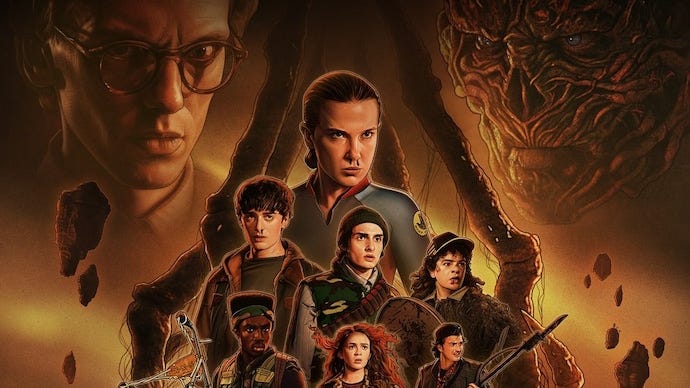
During Christmas vacation, my extended family and I spent what precious time we had together on our last night watching the finale of Stranger Things. My mom, not wanting to be left out of the fun, decided to join us and cuddled up on the couch. She thought this would be a sweet family moment—popcorn, blankets, togetherness. False.
We were all a little surprised when she stepped in just as the opening credits faded away. My eyes went wide, flashing back to earlier days when she’d catch me up late watching movies I wasn’t supposed to see. That fear passed quickly as we all gave her very clear (and, yes, mean) instructions that she could not talk. Now, you don’t know my mother the way I do, but she cannot help verbalizing her emotions.
Within ten seconds, she was watching children trapped by a dark, malevolent half-man, half-creature—possessing bodies with black smoke in a bloody, sinister world. I know what I just wrote is horrifying, and that’s the point. My mother said, “Oh,” followed by “What,” and finally, “Mmm mmm” (the nonverbal no-no). One second later, she was gone. I was later told she joined the rest of the family, saying, “How can they watch that?”
This isn’t new. We’ve always watched and read stories that stir horror and fear. You’ve no doubt heard of Fear Factor (2001), once hosted by the now world-famous Joe Rogan and soon returning for a new season, this time hosted by Johnny Knoxville—who, as we all cringe to remember, hosted Jack___ in 2000. But that’s child’s play compared to the popular Penny Dreadfuls, cheap serialized stories produced in the UK during the nineteenth century. They were also called penny horribles, penny awfuls, and penny bloods. Our taste for the macabre goes back even further—to the earliest preserved fictional narrative, The Epic of Gilgamesh, dating to around 2100 BC. Murder, persecution, and death fill the clay tablets as Gilgamesh rails against the sadistic gods who toy with him.
My mother’s question is a good one: how can we watch that? The simple answer is that we are fascinated by death. Granted, our fixation on our own demise is sinful, and yes, some content is sick. Our culture supported the dark horror franchise Saw, which produced a head-spinning ten films. But long before that, fifty to eighty thousand people packed Rome’s Colosseum to watch real gladiators battle to the death in Saw-like fashion. And yes, we’ve made hundreds of movies about gladiators—one released as early as 1913, the silent film The Last Days of Pompeii.

Be Brave
We pay close attention to what we fear. And there are few greater fears than death. Like many of my friends my age, I now find conversations turning toward aging parents and how stories end. My father was recently in such a conversation with some of his oldest friends. Mr. Paul—a good-looking, accomplished, rugged rice farmer from Welsh—said, “In the end, I hope I’m brave.” To that, the Kyle men all agreed. In the end, will you be brave?
I talk about death often because I can’t escape it. The life of a pastor means attending many funerals. Just last week, I attended the funeral of Ronny Hampton. Ronny and his family are long-time members of FPC Meridian. At thirty-one, Ronny became one of the youngest elders in our church’s living memory. Tragically, he had been sick and hurting for as long as I’ve known his name. That’s a long time to think about your last days. And yet Ronny was no stranger to death—and far from afraid. To Ronny, death was not death. It was life.
If anyone knows what it means to be brave in the face of death, it is Jesus Christ. Jesus was so afraid of the cross that He sweated drops of blood in the Garden of Gethsemane. The condition is called hematidrosis, a rare phenomenon in which blood is excreted through sweat under extreme physical or emotional stress. And yet, given countless chances to run from His destiny, Jesus stepped toward the cross, remaining faithful to the end.
The Passion
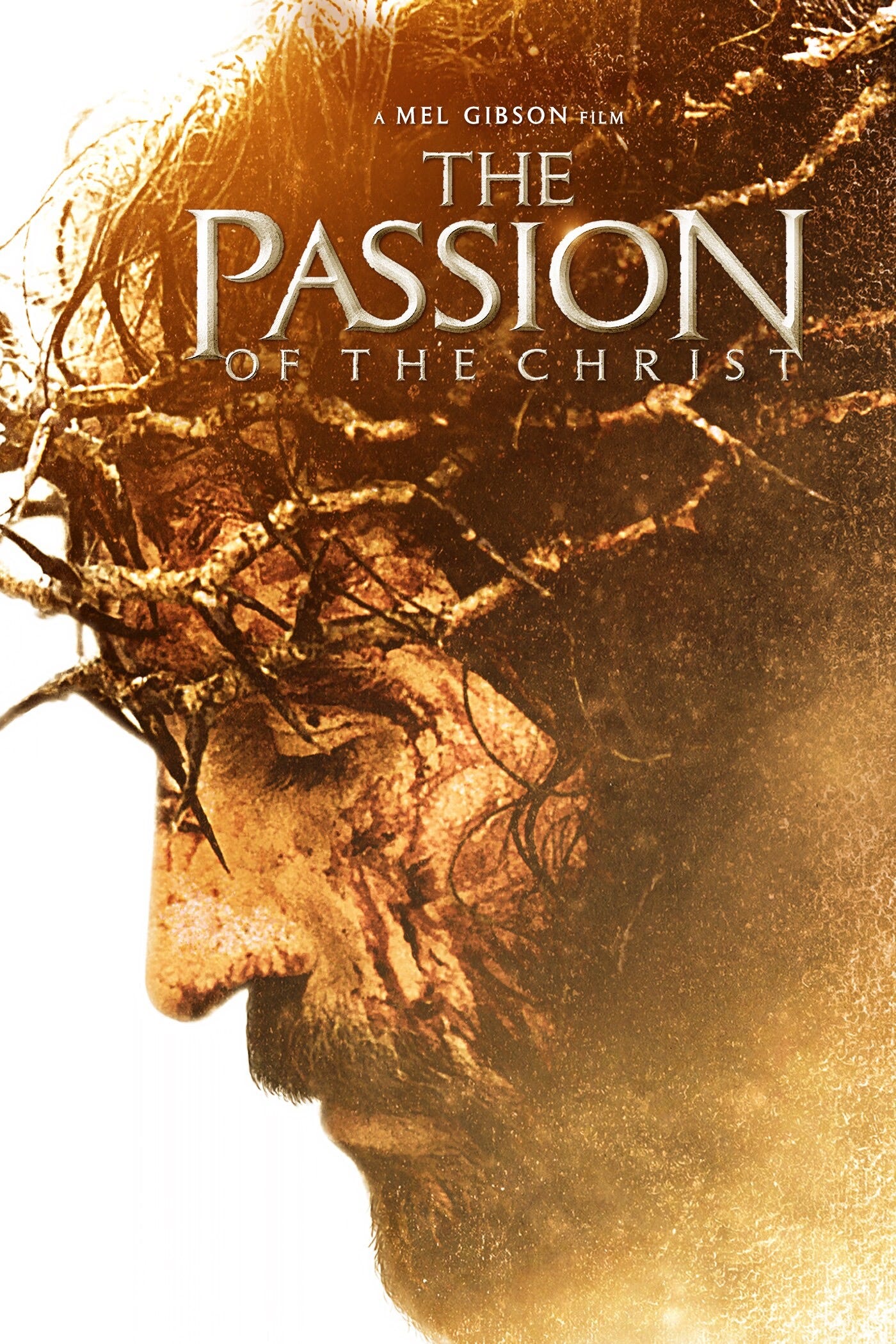
Another movie bound tightly to death was the global phenomenon The Passion of the Christ (2004). Nearly one-third of Americans saw it. The film takes a long, slow look at the final week of Jesus’ life, lingering on the brutal details of death. But that’s not why 59.6 million tickets were sold in the U.S. alone. One third of America wanted to see the final minute—His resurrection.
In the Apostles’ Creed, we confess that Jesus “descended into hell.” The word hell here does not mean Gehenna, the place of punishment. It refers to the realm of the dead—the place where souls awaited redemption. Only Jesus can take our greatest fear and turn it into paradise. This is the paradise He speaks of when He comforts the thief dying beside Him: “Today you will be with me in paradise.” Even in death, Jesus defeated death.
As God’s Son and our Savior, Jesus came to eradicate a death-plague that ravages our world. To do that, the Author of life died, proving that death could not hold Him. By trusting our lives into His hands, we too can be brave. In Him, the sins that would have led us to Gehenna are reconciled at the cross. Through faith, He leads us into paradise to be with Him. Death has lost its sting. Only life remains.
Do you seek hope in this life and peace in the next? Trust in Jesus. Only He has power over death and offers eternal life. In His death, Jesus paid the penalty to set us free from sin. Now, when we confess our sins, we express our faith in His sacrifice and receive His forgiveness.
Face death, be brave, believer.